Brunnera (Siberian bugloss)
Siberian bugloss - Brunnera
Brunneras are attractive and long-lived perennials, easy to grow and thrive in shady gardens.
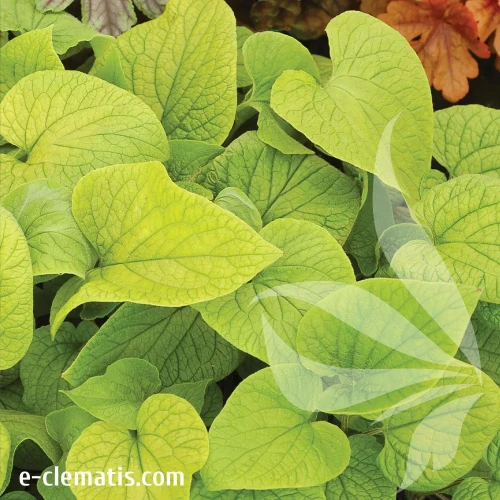
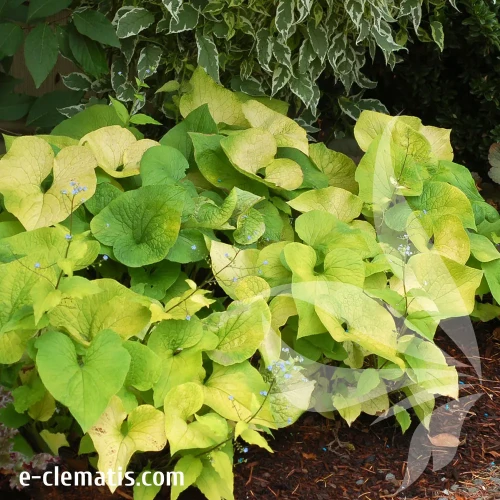
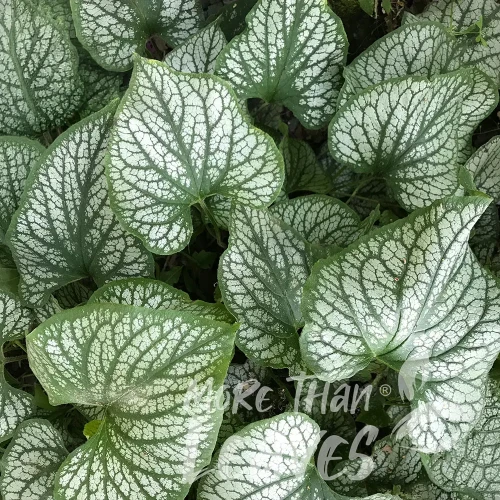
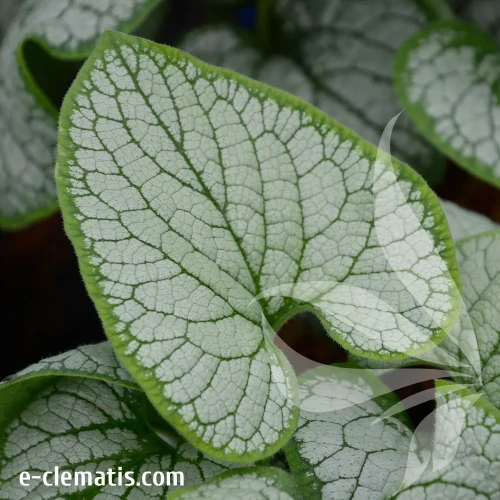
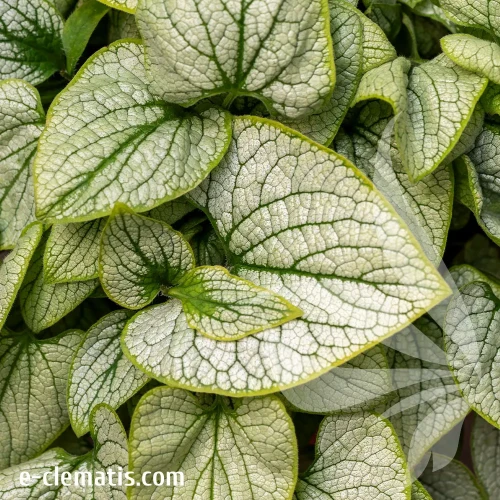
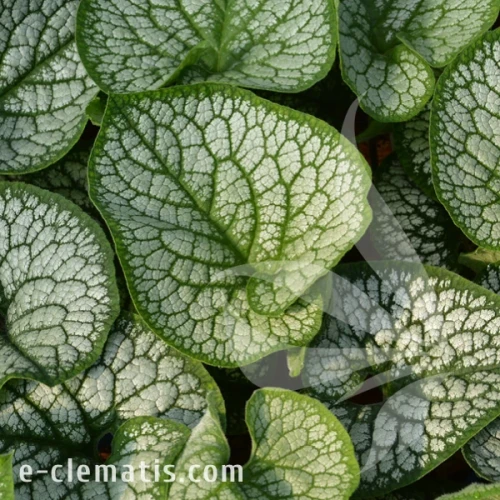
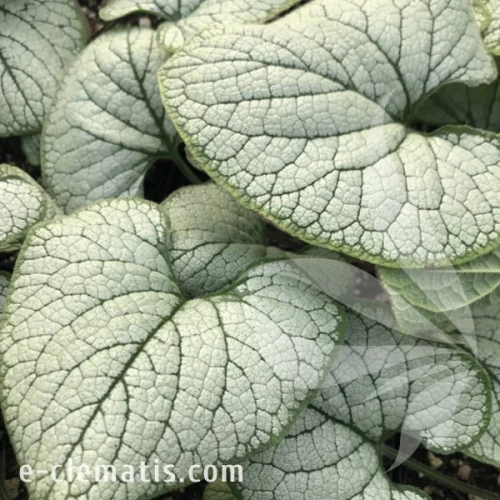
Their beautiful, large, hairy, heart-shaped leaves form impressive clumps with a unique silver-green color, where the silver and white patterns contrast beautifully with the green foliage.
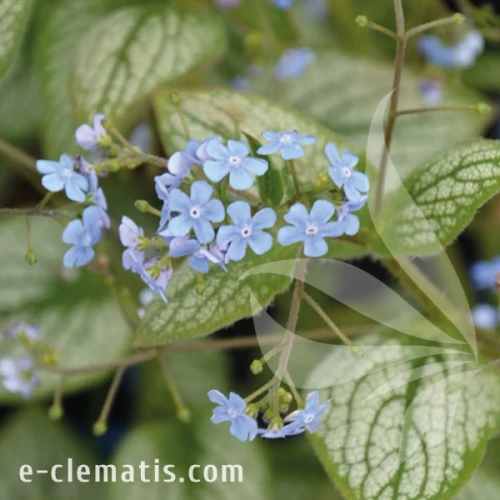
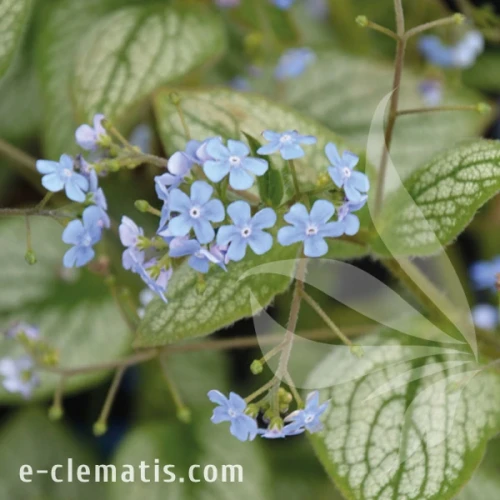
Depending on the variety, Brunneras usually grow up to 40 cm tall. They bloom from April to May, and their small, blue flowers resemble forget-me-nots and are arranged in loose, branched inflorescences. In their natural habitat, they grow in the Caucasus.
List of products






Requirements
Brunneras prefer partial shade, sheltered from the wind. The Silver Heart PBR variety is one of the few that can be planted in sunny locations. The soil should be fertile, humus-rich, well-drained, and constantly moist, with a slightly acidic or neutral pH.
These plants require regular watering, especially during hot wdays; drooping leaves can be a sign of water deficiency. To maintain soil moisture, mulch the soil. Care involves removing dead leaves and faded flower heads. Young plants should be protected from winter.
Using Brunnera in the Garden
Brunneras look best when planted in groups, in flowerbeds, along the edges of ponds, and under tree branches. They are perfect for pots and various types of containers and boxes, ideal for shady spots on balconies and patios. They blend beautifully with other shade-loving plants, such as hostas, cranesbills, periwinkles, ivies, ferns, hydrangeas, and azaleas. They work well as groundcovers and cover shady areas. They are recommended for growing in home gardens, rock gardens, and naturalistic settings.
Fun Facts About Brunnera
The name "Brunnera" comes from the Swiss botanist Samuel Brunner. These original plants appeared in European gardens in the 19th century. Another name for this plant is Caucasian forget-me-not, and the incorrect spelling of the name with a single "n" is also common – brunera.